Luxury is no longer an object. In 2026, UHNWI delegate to reclaim time. Analysis of a profound market shift and AC Private's positioning.
Luxury · Concierge · Trends 2026 · UHNWI · Time
Luxury is no longer an object. For the world’s wealthiest in 2026, the most precious resource is time. Recent studies by Bain & Company, BCG and Knight Frank converge: UHNWI are increasingly delegating to private concierge services to reclaim hours, eliminate friction and focus on what matters. Analysis of a profound shift in the luxury market.
1. Time: The Number One Demand of UHNWI in 2026
The figures are unambiguous:
- 87% of UHNWI state that “saving time” is their top priority when engaging a concierge service (source: Knight Frank Attitudes Survey 2025, surveying 3,000 UHNWI across 28 countries)
- The global experiential luxury market reached $1.5 trillion in 2024, up 12% vs 2023 (Bain & Company / Altagamma, December 2024)
- 63% of wealthy individuals under 45 prefer to “fully delegate personal logistics” rather than manage it themselves (BCG Global Wealth Report 2025)
- Spending on private concierge services grew 28% between 2022 and 2025 in Europe, compared to 8% for tangible luxury goods (Euromonitor International)
This shift reflects a structural change: luxury is now measured in hours reclaimed, not in horsepower displayed.
Key point: 87% of UHNWI rank time savings as their top expectation of their concierge. Private concierge spending surged 28% in 3 years across Europe.
2. What the Wealthy Actually Delegate
The Capgemini World Wealth Report 2025 details the service categories most delegated by European HNWI and UHNWI:
- Multi-residence property management (74% of UHNWI): property supervision, staff rotation, preventive maintenance, energy audits
- Travel logistics (68%): private jets, transfers, visas, hotel bookings, VIP ticketing
- Domestic staff management (61%): recruitment, coordination, payroll and legal obligations for housekeepers, chefs, chauffeurs, bodyguards
- Family administration (52%): international schooling, coordinated healthcare, multi-jurisdiction insurance
- Private events (43%): birthdays, weddings, receptions, private parties
The common denominator: each delegated service returns 5 to 40 hours per month to the client, depending on the complexity of their estate and lifestyle.
✦ ✦ ✦
3. How the Private Concierge Model Has Evolved
The private concierge market has transformed profoundly over the past decade. In 2015, concierge meant “booking a restaurant or a helicopter.” In 2026, it covers a much broader spectrum:
- Family Office as a Service: top-tier concierges now operate close to the single-family office model, but with engagement flexibility and without the fixed costs (a single-family office costs an average of €1–3 million/year in Europe — source: EY Family Office Guide 2024)
- Multi-jurisdiction coordination: clients with residences across France, Switzerland, Monaco, Czech Republic and the UK require a concierge capable of navigating legal, tax and cultural frameworks
- Proactivity: the client no longer asks — the concierge anticipates. Passport renewals, vehicle servicing, seasonal wardrobe rotations, sourcing of specific products
- Discreet technology integration: encrypted communication platforms, asset-tracking dashboards, proactive alerts — all without visible digital friction for the client
Key point: The 2026 private concierge no longer simply fulfils requests: it anticipates, coordinates across jurisdictions and approaches the family office model — at a fraction of the cost.
4. Why AC Private Answers This Evolution
AC Private embodies this new generation of European concierge services. Its model is built on:
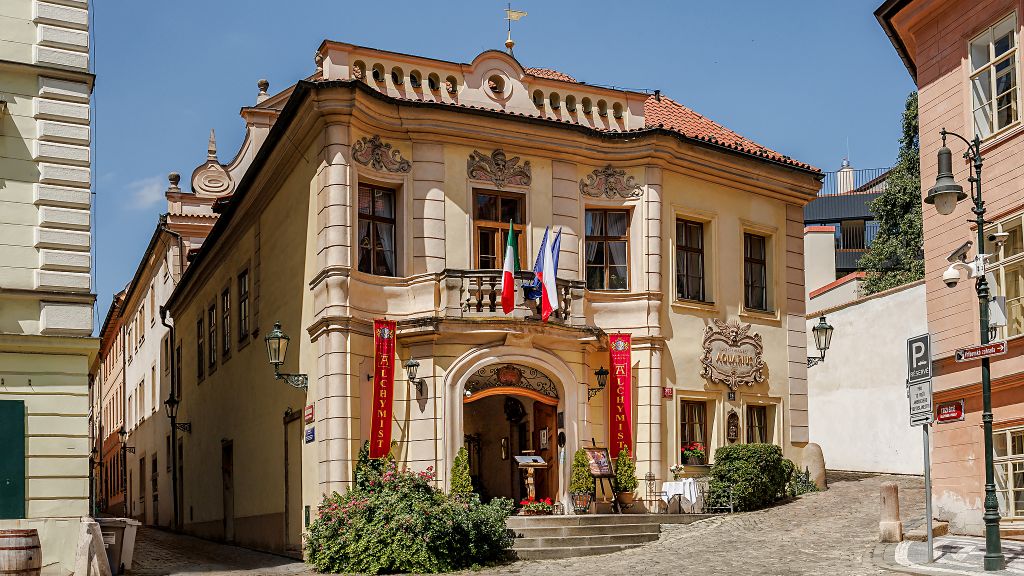
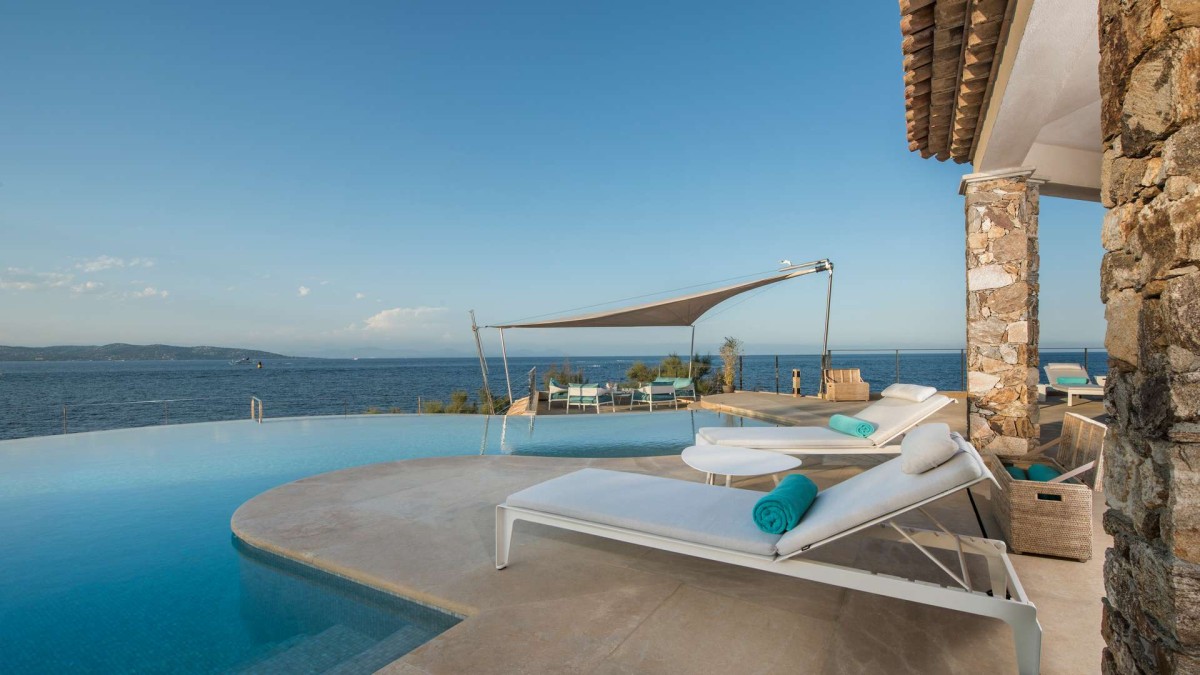
- Multi-territory presence: operational in Alsace, the Côte d’Azur, Prague and Switzerland. Deep knowledge of local markets, vetted vendors and regulatory frameworks
- Single point of contact: a dedicated contact who knows the client’s history, preferences and sensitivities. Guaranteed relational continuity
- Contractual discretion: systematic NDAs, rigorous vendor selection, no public communications about clients
- Engagement flexibility: no mandatory annual subscription, per-mission or monthly pricing, no minimum commitment period
The measurable outcome: AC Private clients estimate saving an average of 12 to 25 hours per month on personal and asset management — time reinvested in family, health or entrepreneurial projects.
✦ ✦ ✦
5. Luxury in 2026: Outlook and Emerging Trends
Several emerging trends will shape private concierge services in the years ahead:
- Regenerative luxury: UHNWI are investing heavily in preventive wellness (predictive medicine, detox retreats, performance coaching). The luxury wellness market reached €200 billion in 2025 (Global Wellness Institute)
- Dematerialisation of status: ostentatious luxury is declining in favour of intimate, bespoke experiences. 71% of UHNWI under 40 prefer a unique experience to a material possession (Sotheby’s Luxury Outlook 2025)
- Multi-residence and structured nomadism: European fortunes own an average of 3.2 residences (Knight Frank 2025). They expect a concierge that can support them across every territory
- Sustainability requirements: eco-responsible vendor selection, carbon offsetting for travel, ethical sourcing — responsible luxury is no longer an add-on but a baseline
Sources: Knight Frank Attitudes Survey 2025 · Bain & Company / Altagamma 2024 · BCG Global Wealth Report 2025 · Capgemini World Wealth Report 2025 · EY Family Office Guide 2024 · Global Wellness Institute · Sotheby’s Luxury Outlook 2025 · Euromonitor International.